

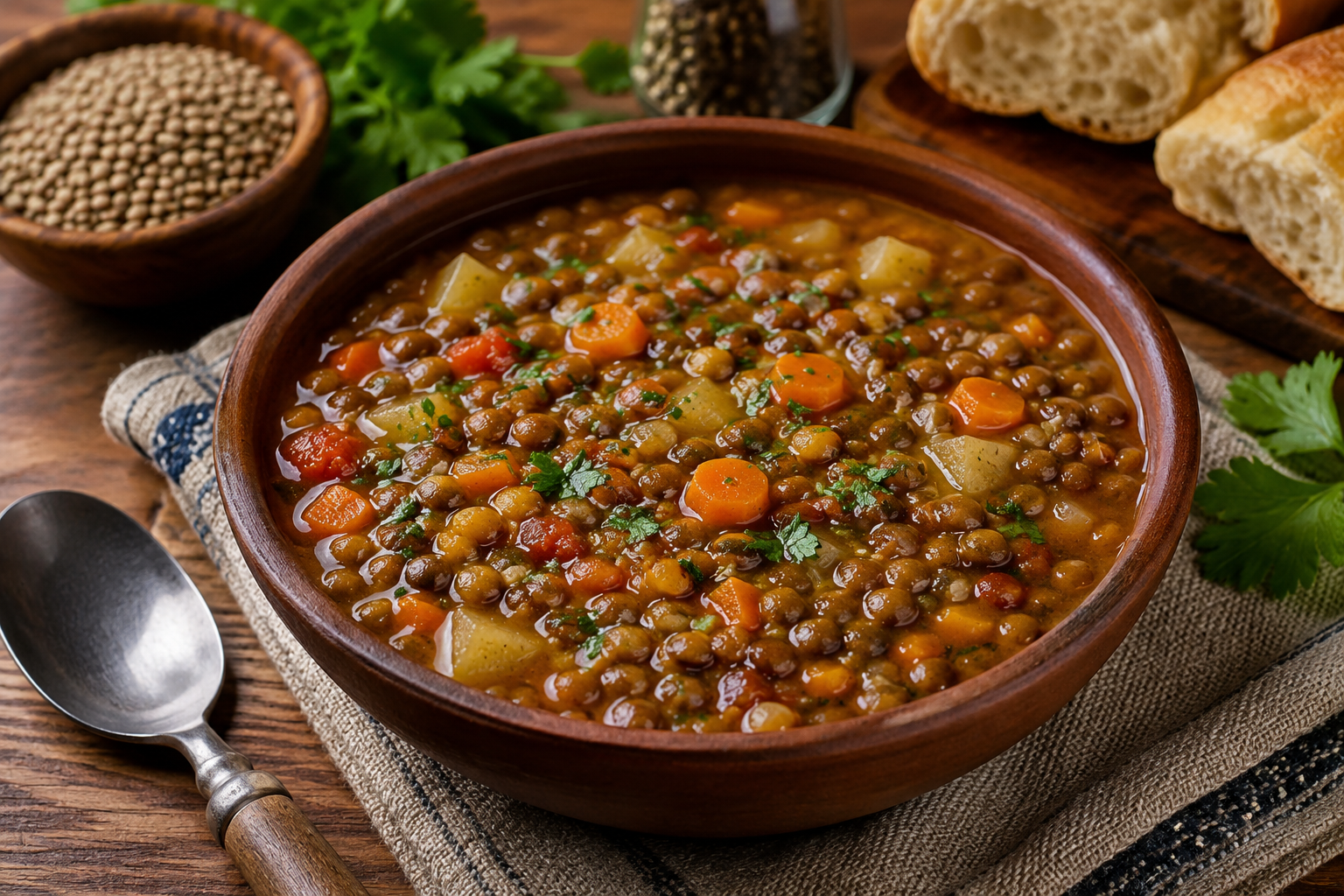
There’s something about a warm bowl of lentil stew that feels like a hug from the inside. If you’ve ever typed “best guiso de lentejas near me” into your phone while craving something hearty, homemade, and comforting, you already know exactly what I mean. This dish isn’t flashy. It doesn’t need a fancy plate or a trendy garnish. It just needs to be done right: rich broth, tender lentils, and that deep, slow-cooked flavor that only comes from patience and good ingredients.
In this article, we’ll dig into what makes guiso de lentejas so special, why it’s become such a popular search term, what separates an average bowl from an unforgettable one, and how you can find (or even recognize) the best version of this dish wherever you happen to be.
What Exactly Is Guiso de Lentejas?
Guiso de lentejas translates roughly to “lentil stew,” but that simple definition doesn’t capture the soul of the dish. Unlike a thin lentil soup, a proper guiso is thick, almost like a stew you could eat with a fork if you wanted to. It’s built on a base of sofrito onions, garlic, peppers, and tomatoes cooked down slowly until they melt into the broth.
From there, the recipe branches depending on the region and the household. Some versions include chorizo or morcilla for smokiness. Others lean vegetarian, relying on smoked paprika, cumin, and bay leaf to build depth. Potatoes, carrots, and sometimes even a splash of white wine or sherry vinegar round out the flavor profile.
What makes this dish so beloved isn’t complexity. It’s the opposite. Guiso de lentejas is humble food, the kind that grandmothers perfect over decades without ever writing down a recipe. That’s exactly why so many people go searching for the best guiso de lentejas near me instead of trying to recreate it themselves — because getting it right takes practice, patience, and a bit of family tradition.
Why People Search for “Best Guiso de Lentejas Near Me”
There’s a reason this particular phrase shows up so often in local searches. Lentil stew is comfort food, and comfort food is emotional. People don’t just want lentejas; they want the version that reminds them of home, of a specific restaurant they visited once, or of a dish their mother used to make.
When someone runs this kind of local search, they’re usually looking for a few specific things. They want authenticity, meaning the dish tastes like it was made with real care and traditional technique, not rushed or over-processed. They want proximity, since a stew this comforting is best enjoyed fresh and warm, not delivered cold after a thirty-minute drive. And they want consistency, because once you find a place that nails this dish, you tend to keep going back.
This search phrase also spikes seasonally. Cooler months, rainy days, and moments when people are feeling a little under the weather all tend to drive interest. There’s a reason lentil stew is often called a “sick day dish” or a “rainy day meal.” It’s warming, filling, and surprisingly nourishing.
What Separates a Great Guiso de Lentejas from an Average One
Not all lentil stews are created equal, and if you’ve eaten a few different versions, you already know this. The difference usually comes down to a handful of factors that seem small individually but add up to something significant.
The first is the quality of the sofrito. A rushed sofrito, cooked for just a few minutes, tastes flat and one-dimensional. A proper sofrito, cooked low and slow until the vegetables practically dissolve, forms the backbone of the entire dish. This is often the single biggest difference between a forgettable bowl and one worth searching for again.
The second factor is lentil texture. Overcooked lentils turn to mush and lose their identity in the stew. Undercooked lentils stay firm and chalky, which throws off the whole experience. The best versions strike a balance — lentils that are soft enough to be comforting but still hold their shape.
Seasoning balance matters just as much. Smoked paprika, cumin, bay leaf, and sometimes a touch of chili all play a role, but none of them should dominate. A well-seasoned guiso tastes layered rather than spicy or overwhelming.
Finally, there’s the question of freshness. A stew that’s been sitting for hours under a heat lamp will never taste the same as one made to order or reheated properly from a fresh batch. This is one more reason people specifically search for the best guiso de lentejas near me rather than settling for whatever’s closest — location matters, but freshness matters just as much.
Homemade Versus Restaurant-Made: Which Is Better?
This is a debate that comes up often, and honestly, the answer depends on what you’re looking for in the moment. Homemade guiso de lentejas has one major advantage: control. You can adjust the salt, the smokiness, the thickness, and the protein exactly to your taste. There’s also something deeply satisfying about the slow cooking process itself, watching the kitchen fill with the smell of garlic and paprika as everything simmers together.
Restaurant-made versions, on the other hand, offer something homemade cooking often can’t: decades of technique passed down and refined. Many family-owned restaurants have been perfecting their guiso recipe for generations, tweaking ratios and cooking times until they’ve landed on something close to flawless. That’s part of why searching for the best guiso de lentejas near me can lead to genuinely surprising discoveries, especially at smaller, unassuming spots that don’t look like much from the outside but have been quietly mastering this dish for years.
There’s also the convenience factor. Not everyone has three hours on a weeknight to let a stew simmer properly. For those moments, finding a reliable local spot becomes less about laziness and more about practicality.
How to Identify a Truly Great Bowl When You Find One
If you’re trying to figure out whether you’ve stumbled onto something special, there are a few signs worth paying attention to. The color of the broth should be deep and slightly reddish-brown, not pale or watery. This usually indicates a properly developed sofrito and enough cooking time for the flavors to meld.
The aroma matters too. A well-made guiso de lentejas should smell warm and slightly smoky before you even take a bite, thanks to the paprika and any cured meats used in the recipe. If it smells bland, it will likely taste bland as well.
Texture is another giveaway. The lentils should hold together without being mushy, and the vegetables — potatoes, carrots, or peppers should be tender but not fall apart into nothing. A stew that’s been simmered with care will have a slightly thick, almost velvety consistency rather than being watery or overly starchy.
Lastly, pay attention to how it’s served. A great bowl is usually served hot, often with crusty bread on the side for dipping. Little details like this tend to signal that the place takes the dish seriously rather than treating it as an afterthought on the menu.
Tips for Finding the Best Guiso de Lentejas Near Me in Your Area
If you’re actively on the hunt, a few strategies can help you land on something genuinely worth your time. Start by looking for smaller, family-run restaurants rather than large chains. Traditional stews like this tend to shine in places where recipes have been passed down rather than standardized for mass production.
Reading recent reviews can also help, especially ones that specifically mention lentejas or guiso by name rather than general comments about the restaurant. Specificity in reviews usually means the dish left a real impression, whether good or bad.
Timing matters as well. Many places make a fresh pot of stew earlier in the day and serve from it until it runs out. Visiting during peak lunch or dinner hours often means you’re getting a fresher, more recently prepared batch rather than the last scrapings from the bottom of the pot.
It’s also worth asking around locally. Comfort food like this often earns its best reputation through word of mouth rather than online rankings. Someone in your neighborhood likely already knows exactly where to go, and that kind of firsthand recommendation is often more reliable than a search engine result.
The Cultural Comfort Behind Every Bowl
Beyond the technical details of cooking and seasoning, there’s something worth acknowledging about why this dish resonates so deeply. Guiso de lentejas isn’t about impressing anyone. It’s not plated with tweezers or garnished for photos. It’s the kind of food made to nourish, to warm you up after a long day, and to remind you of home even if you’re sitting in a restaurant you’ve never visited before.
That emotional pull is exactly why the search for the best guiso de lentejas near me isn’t just about hunger. It’s about seeking out that specific feeling of comfort, tradition, and warmth that only a properly made lentil stew can provide. Whether you find it in your own kitchen after hours of slow simmering, or at a small neighborhood spot that’s been perfecting the recipe for decades, the goal is always the same: a bowl that feels like it was made with genuine care.
Final Thoughts
At the end of the day, lentil stew is one of those dishes that proves simple food, made well, can be more satisfying than anything elaborate. The sofrito, the lentils, the slow simmer, the seasoning balance every small step matters, and when it all comes together, the result is unforgettable.
So the next time you find yourself craving that rich, smoky, comforting bowl of lentil stew, trust your instincts. Look for the small details, the aroma, the texture, the color of the broth, and don’t be afraid to try the unassuming spots that might just be hiding the best-kept secret in your neighborhood. Sometimes the best meals aren’t the ones with the flashiest reputation, but the ones made with quiet, consistent care, bowl after bowl.
